

Cricket is often called a team sport, but there are rare occasions when a single player carries the entire team on their shoulders. These are the matches where one person becomes a one-man army, fighting against all odds, dominating the opposition, and keeping their side alive when all hope seemed lost.
Table of Contents
In this article, we look back at the Top 10 One-Man Army Performances in Cricket History — incredible displays of individual brilliance that left fans speechless.
1. Kapil Dev – 175 vs Zimbabwe, 1983 World Cup*
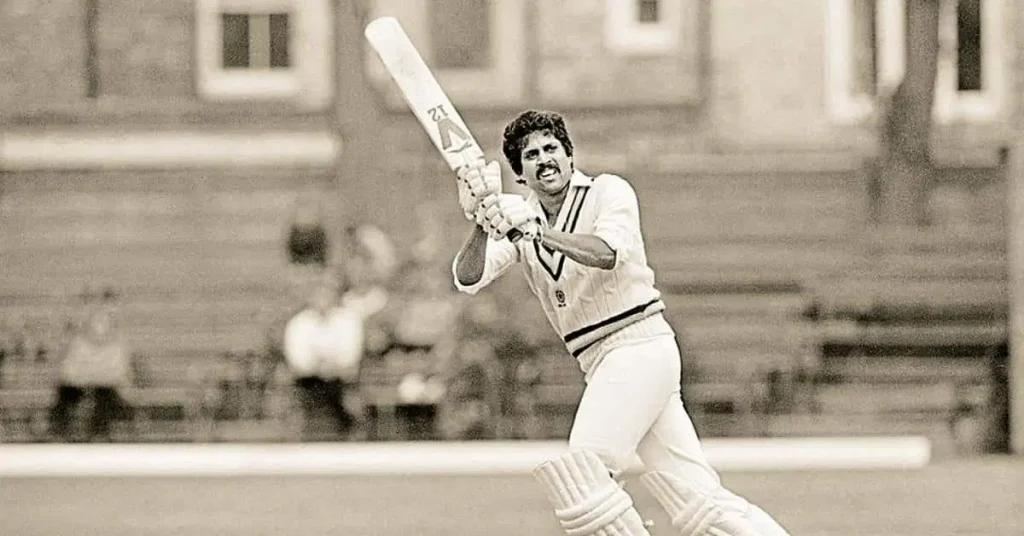
With India struggling at 17/5 in a must-win match, Kapil Dev produced a legendary innings of 175* off 138 balls. His knock not only rescued India but also inspired the team to go on and win the World Cup. Without Kapil’s effort, the story of Indian cricket might have been very different.
This innings was not televised due to a BBC strike, making it one of the most talked-about “unseen” performances in cricket history. Kapil’s aggressive stroke play shifted the momentum completely in India’s favor in One-Man Army. Many experts still regard it as the most important ODI innings ever played.
2. Ben Stokes – 135 vs Australia, 2019 Ashes (Headingley Test)*
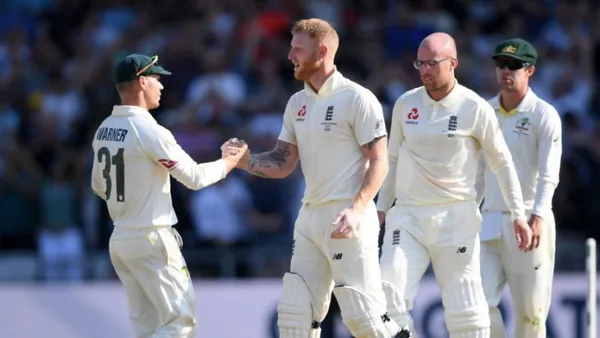
England were on the brink of defeat when Ben Stokes unleashed one of the greatest innings in Test history. Chasing 359, Stokes played fearlessly, farming the strike with the last wicket and smashing boundaries to secure a one-wicket win. This was the very definition of a one-man army.
The crowd at Headingley witnessed pure drama as Stokes mixed calculated defense with explosive hitting. His last-wicket partnership with Jack Leach became folklore in England cricket. This win kept the Ashes series alive and cemented Stokes’ place as a modern-day hero.
3. Brian Lara – 153 vs Australia, 1999*
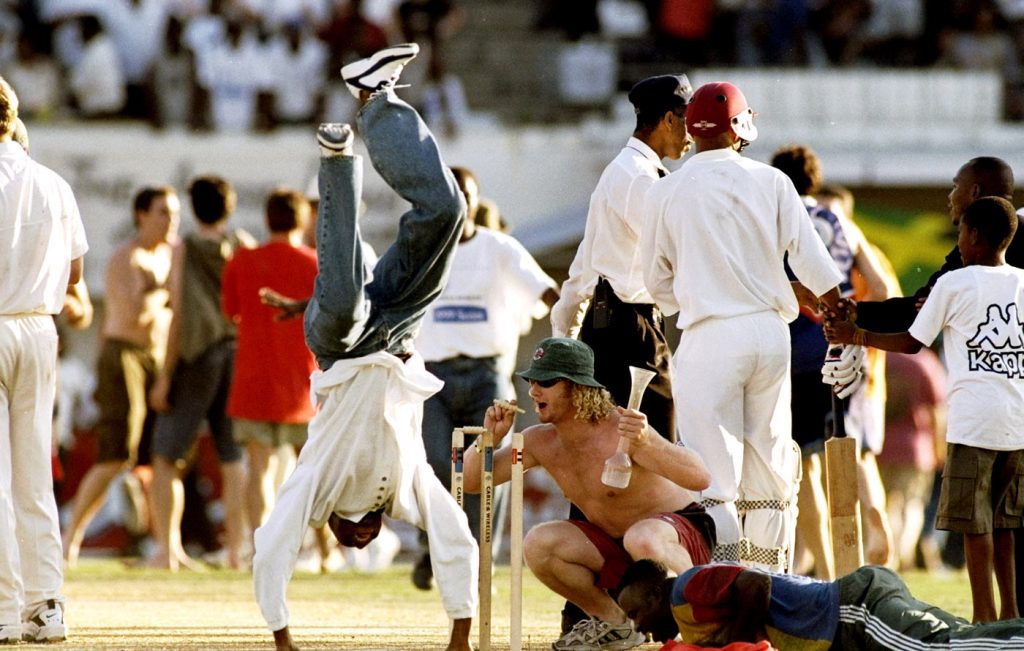
Against a world-class Australian attack, Brian Lara’s unbeaten 153 guided West Indies to a stunning victory in Bridgetown. His innings was full of elegance, resilience, and composure under extreme pressure.
Lara batted with the tail, carefully managing the strike to keep the scoreboard ticking. His on-drives and square cuts were executed with surgical precision in One-Man Army. This knock is still hailed as one of the greatest fourth-innings chases in Test cricket history.
4. Sachin Tendulkar – 136 vs Pakistan, 1999 Chennai Test
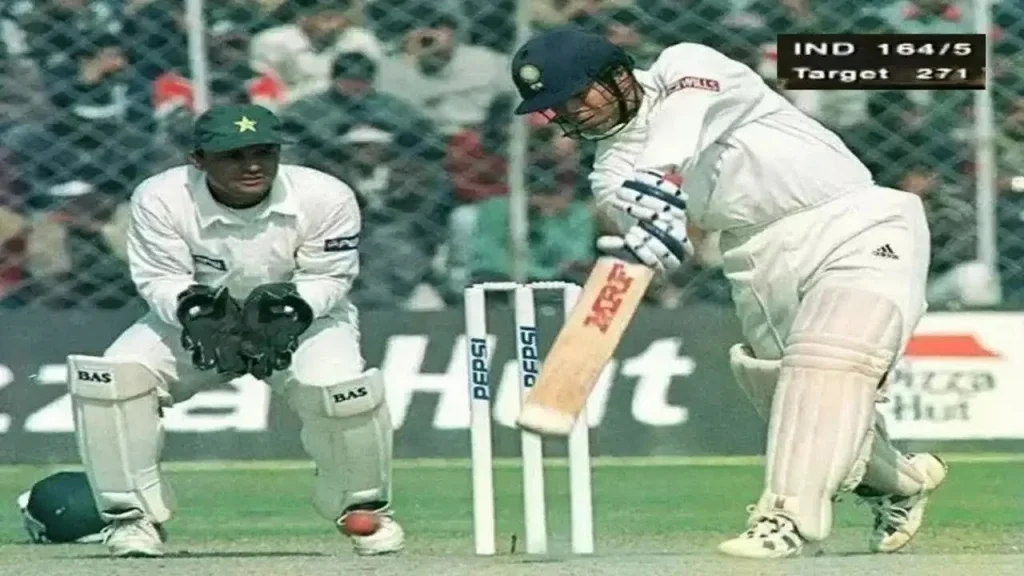
Battling back pain and chasing 271, Sachin Tendulkar almost took India home. His 136 against a deadly Wasim Akram and Saqlain Mushtaq attack was a masterclass in determination. Unfortunately, India lost narrowly, but Tendulkar’s fight is still remembered in One-Man Army.Sachin refused to let physical pain stop him from dominating Pakistan’s world-class bowling. Every run was scored under intense pressure, with the crowd hanging onto every shot. This match is often remembered for how close India came and the tears in Sachin’s eyes after defeat.
5. VVS Laxman – 281 vs Australia, 2001 Eden Gardens Test
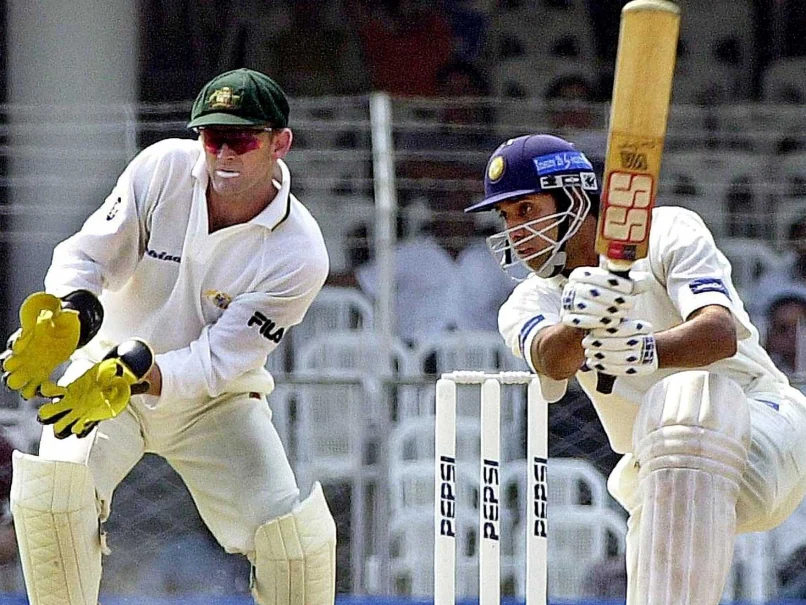
Following on after a poor first innings, Laxman’s 281, along with Rahul Dravid’s support, turned the match on its head. Though Harbhajan Singh’s bowling helped, Laxman’s batting dominance against the mighty Australians was the real turning point in One-Man Army.Facing Glenn McGrath, Shane Warne, and Jason Gillespie, Laxman played with an elegance that defied fatigue. He batted for over 10 hours, wearing down the Australians physically and mentally. This innings is often called the “greatest Test knock ever played.”
6. Chris Gayle – 175 vs Pune Warriors, 2013 IPL*
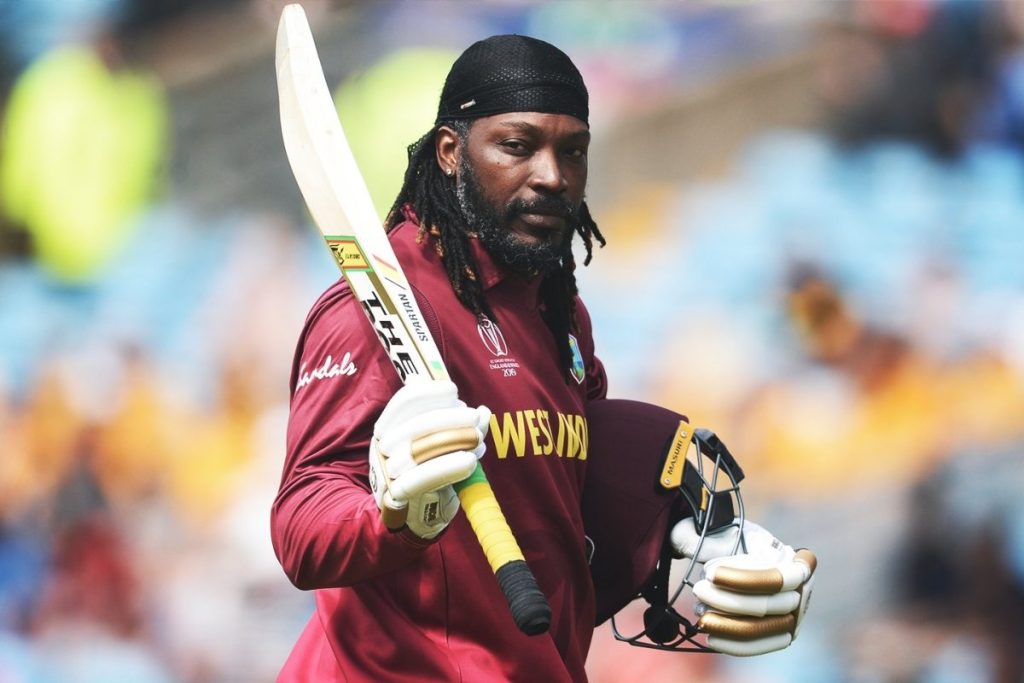
The most destructive T20 innings ever — Gayle’s 175* off 66 balls was pure carnage. He hit 17 sixes and 13 fours, dismantling the bowling attack and single-handedly winning the match for RCB in One-Man Army.The crowd at M. Chinnaswamy Stadium witnessed history as every delivery disappeared into the stands. His strike rate of 265.15 was unheard of in professional cricket. Even opposition players admitted they had no answer to Gayle’s onslaught.
7. Anil Kumble – 10/74 vs Pakistan, 1999
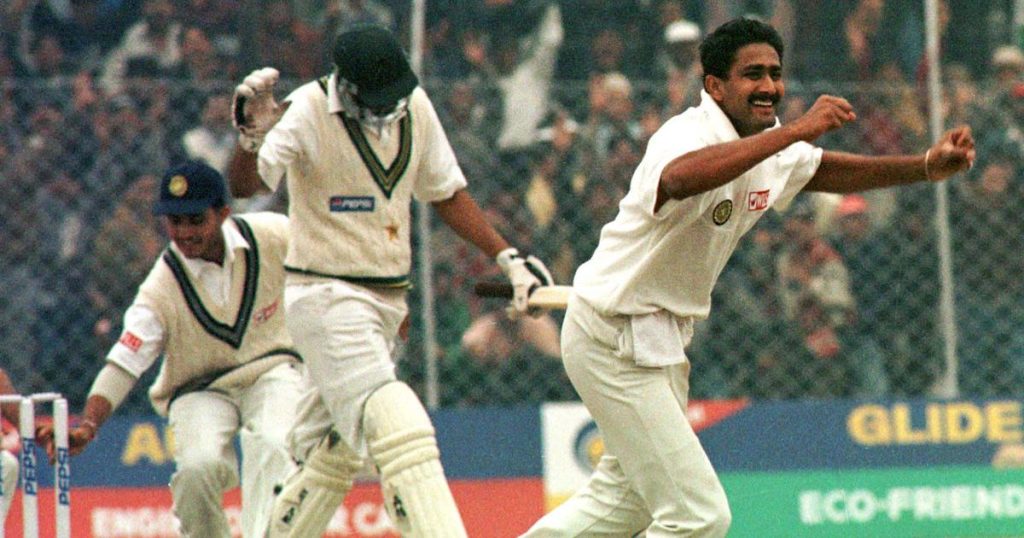
Bowling from one end for the entire innings, Kumble became only the second bowler in history to take all 10 wickets in a Test innings. It was a spell of unrelenting accuracy and determination in One-Man Army.
Kumble’s mastery of line and length frustrated every Pakistani batsman. His achievement came in front of a roaring Feroz Shah Kotla crowd. The match became one of India’s most celebrated Test victories.
8. Shakib Al Hasan – 124 & 5/29 vs West Indies, 2019 World Cup*
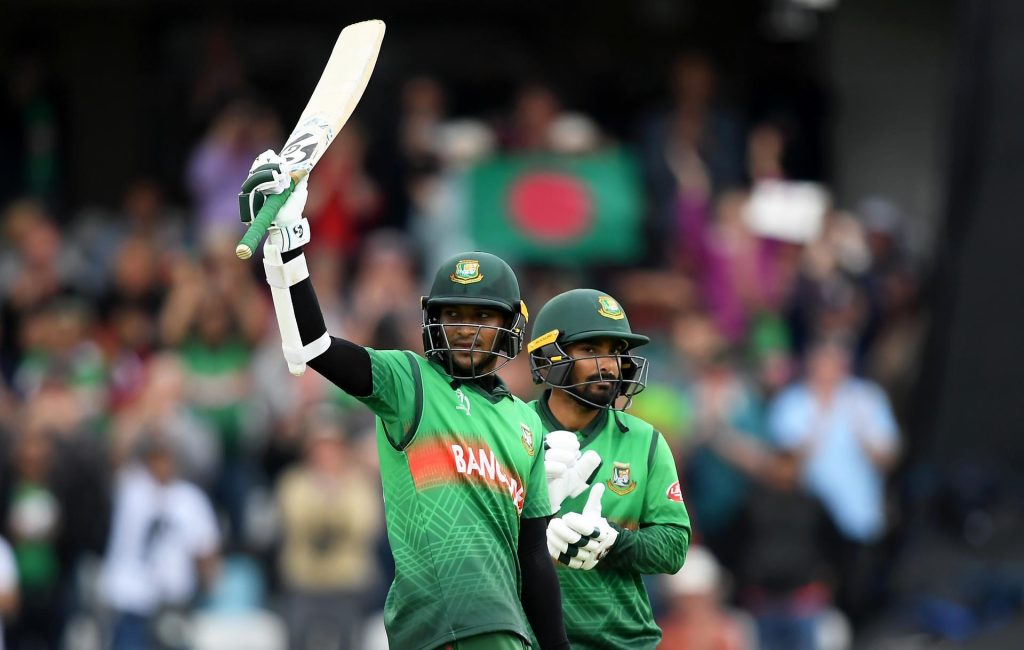
Shakib became the first player in World Cup history to score a century and take a five-wicket haul in the same match. His all-round brilliance was the definition of a one-man show in One-Man Army.His batting was calm yet aggressive, ensuring Bangladesh posted a winning total. With the ball, he dismantled the West Indies middle order with clever variations. This performance elevated Shakib into the conversation of greatest all-rounders of the modern era.
9. Virat Kohli – 82 vs Pakistan, 2022 T20 World Cup*
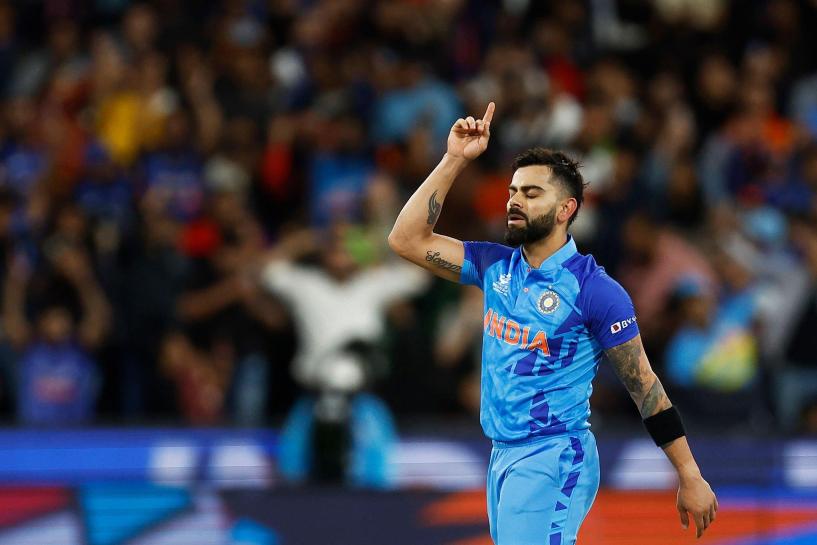
Chasing 160 in a high-pressure India vs Pakistan clash at the MCG, Kohli’s 82* was a masterclass in composure and timing. His six over Haris Rauf in the penultimate over became an instant classic.
Kohli soaked in the atmosphere of a packed stadium and thrived under immense pressure. His calculated chase saw him accelerate perfectly in the final overs. This innings is already considered one of the greatest in T20 World Cup history.
10. Andy Flower – 232 vs India, 2000*
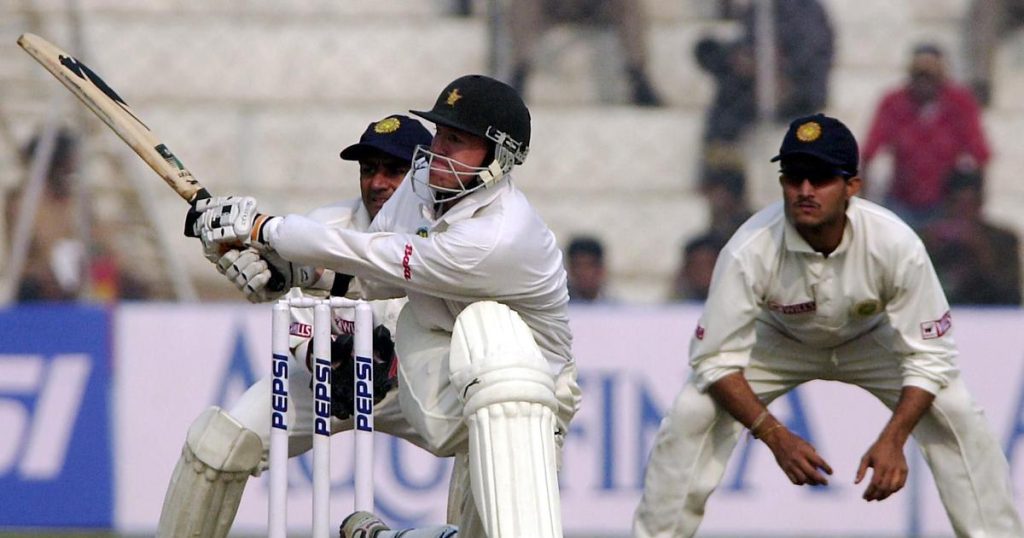
Playing for Zimbabwe, Andy Flower produced a monumental innings of 232* against India, dominating world-class bowlers and showing unmatched patience and skill.
He batted for over 11 hours, wearing down the Indian attack ball by ball. His defensive technique and precise shot selection frustrated the opposition. This remains one of the finest innings ever played by a wicketkeeper-batsman.
Why These Performances Stand Out
What makes a one-man army performance legendary is not just the statistics, but the context — the pressure, the stakes, and the way the player inspired the team and fans. These moments become part of cricketing folklore, reminding us why we love this sport.